

Pressure washing is for the hard surfaces around a property, not for every material on the house. Concrete, asphalt, and interlock take a lot of dirt: mud, tire marks, and the dark growth that sits in a shady walk. Brick, flagstone, and tile collect the same film in joints and on the face. Decking and patios hold pollen, mildew, and whatever gets tracked off the grass. Those are the surfaces this work is built for.
The difference between a useful wash and a damaged surface is the attachment and the distance. A single narrow jet, held close, can etch concrete, blast the sand out of interlock joints, raise the grain on decking, and scar brick. Special attachments spread the water so the dirt lifts without cutting the material. Pressure washing on this site means those surfaces, with the attachment matched to what is being cleaned, rather than one setting used on the whole property.
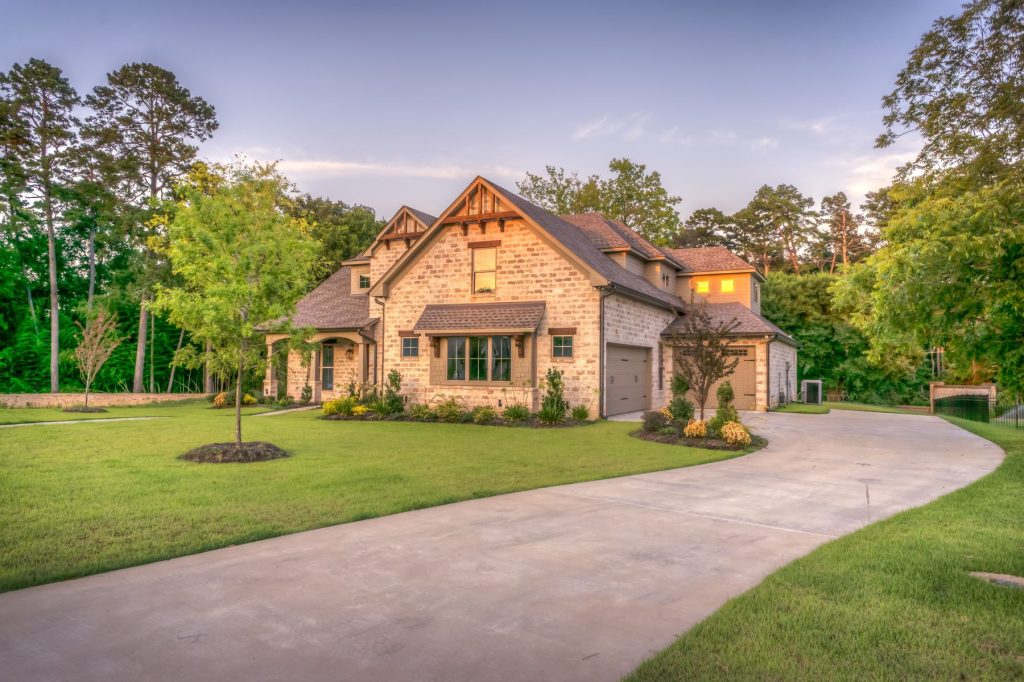
Siding is not on that list. Vinyl and aluminum are washed to bring the shine back, without driving water behind the panels. If the wall looks dull, that is a different job from the driveway. Mixing them is how a patio gets cleaned and a wall gets marked in the same afternoon. Ask for the wall and the hard surfaces as separate tasks so each one gets the right tool.
Solar panels are not a pressure-washing job either. The glass on a panel is washed with pure water so nothing is left on it, and a blast of ordinary water is a good way to spot the glass or damage fittings. If the array looks dusty, read how panels should be washed before anyone aims a washer at the roof.
Getting the property ready
Move vehicles off the driveway, including the far end if the whole pad is being done. Shift pots, mats, and lightweight furniture off the patio. Close windows on the wall beside the work so spray does not enter. Tell the crew about loose interlock, a spalled step, or a board on the deck that is already soft. Washing will not fix those, and soft wood can break up further under water. A sound board will look cleaner. A rotten board will look worse, which is information, not a repair.
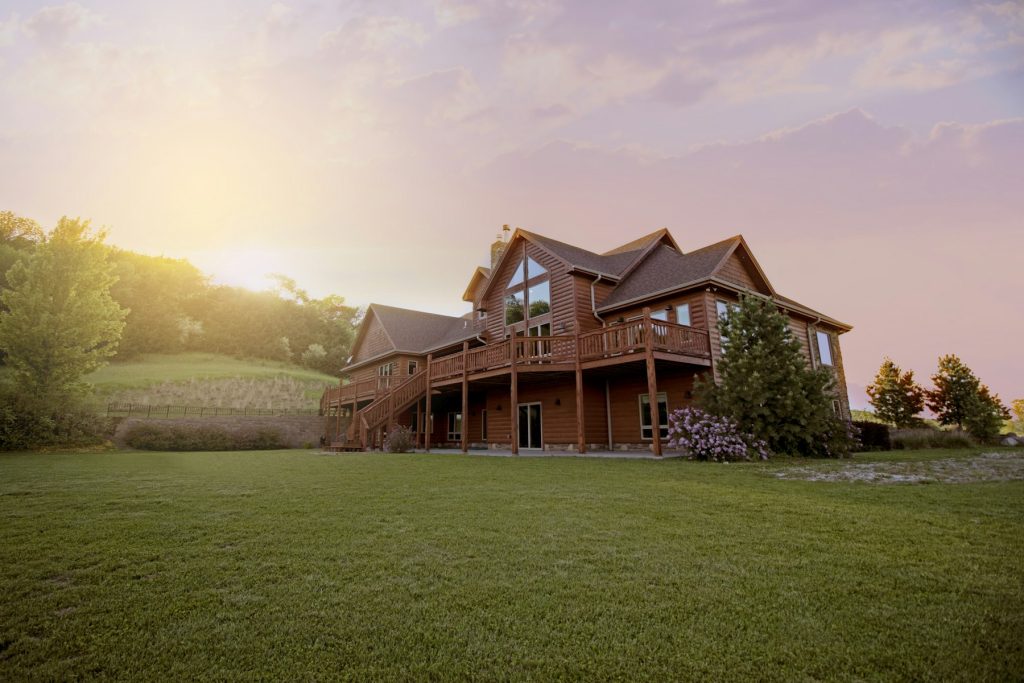
Growth in the joints of a walkway usually comes back if the area stays wet and shaded. The wash removes what is there. It does not change the shade. Trimming what overhangs the walk, and keeping soil from spilling onto the concrete, makes the result last longer than the day of the visit. Oil stains that have sat in concrete for years may lighten and may not disappear. Say if a particular mark is the reason you are booking, so the expectation matches the stain.
Where this helps before a sale
Buyers read the approach to the door before they read the listing. A dark walkway and a stained driveway make a tidy hall less convincing. Cleaning those surfaces is one of the outside jobs that shows up in photos of the front of the house. It sits alongside the windows and the trough when you are getting the outside ready before a sale. You do not need every surface on the property done. You need the ones a person walks across to reach the door, and the ones the camera will include in the first exterior shot.
Wood, concrete, and stone do not dry at the same speed. A deck can look dry on top and still be damp in the grain, and interlock holds water in the joints longer than the face of the paver. Give each surface time before you put furniture or a car back. If a white haze appears on concrete after it dries, that is often minerals from the water or from the concrete itself, not dirt left behind. A second light rinse with clean water, once the surface has stopped shedding mud, is the usual next step. It is not a reason to go over the same slab at full force again.
After the wash, stay off wet decking until it has dried, and keep the car off fresh concrete until the water is gone so you are not laying new tire marks into a damp surface. Then look at it in daylight. The colour of the concrete or the brick should be even, the joints should still be filled, and the deck boards should not be furred or gouged.