

A solar panel only works with the light that reaches the cells. Dust, pollen, soot, and bird droppings sit on the glass and block part of that light. The loss is not theoretical. A dirty solar panel can lose 25 percent of its efficiency. On a roof array, that shows up as less output from the same sun, for as long as the film stays on the glass.
Rain does not reliably clean the panels. A light rain can turn dust into a muddy film. A heavy rain may rinse loose dirt and leave the stuck material, especially along the lower edge where water slows down. Pollen season and a long dry stretch are the times people notice the glass looking milky. If you can see the haze from the ground, the cells are looking through it too.
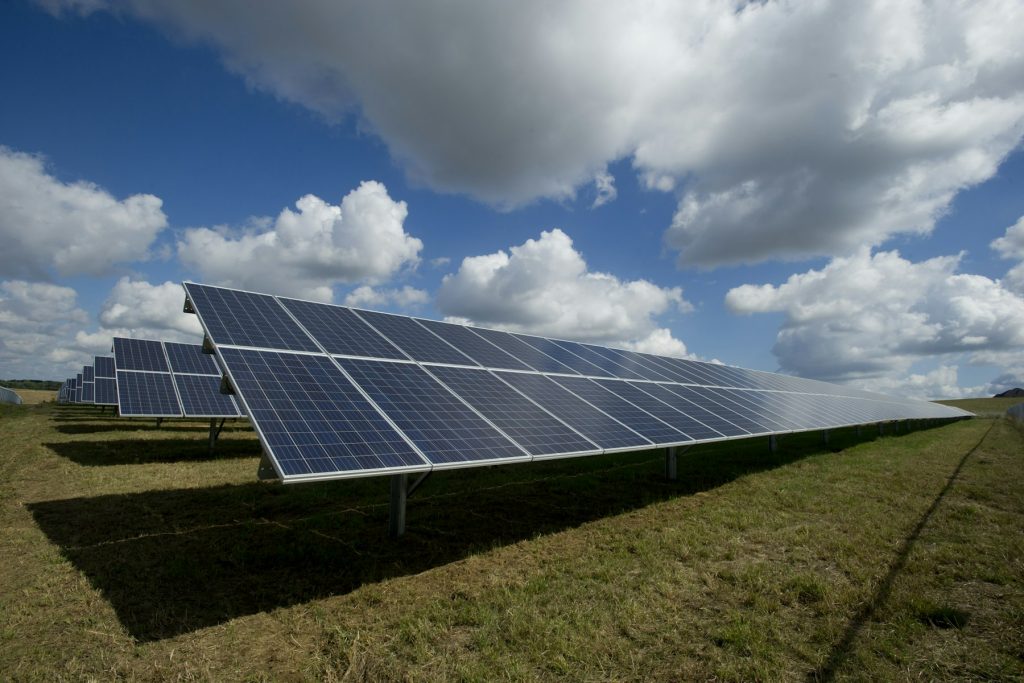
How the panel is washed matters as much as whether it is washed. Harsh chemicals and abrasive pads can haze the glass or leave a residue that stays on the surface and works against the panel over time. A pressure washer is the wrong tool. It is easy to damage fittings, force water where it should not go, and leave streaks from ordinary tap water. Panels should be rinsed with pure water that does not leave minerals behind when it dries.
That is the method used for solar panels here. The pure water system washes the glass and leaves no harmful residue that can deteriorate the panel. It is the same standard described in a wash with no chemical residue: nothing left on the surface for dirt to grab, and nothing rinsed into the garden that you would not want around the house. The same pure water used on exterior windows is the idea. Minerals that spot a window will spot a panel, and on a panel those spots are not only a looks problem.
When a wash is worth doing
Look at the array after pollen has finished, and again after a dry, dusty part of the summer. Coastal or rural properties that see more airborne grit, and roofs under trees where birds perch, usually need a closer eye. You do not need a wash after every rainfall. You need one when the glass is no longer clear. If you monitor output, a drop that does not match the weather is another reason to look at the glass before you assume a panel or an inverter is failing.
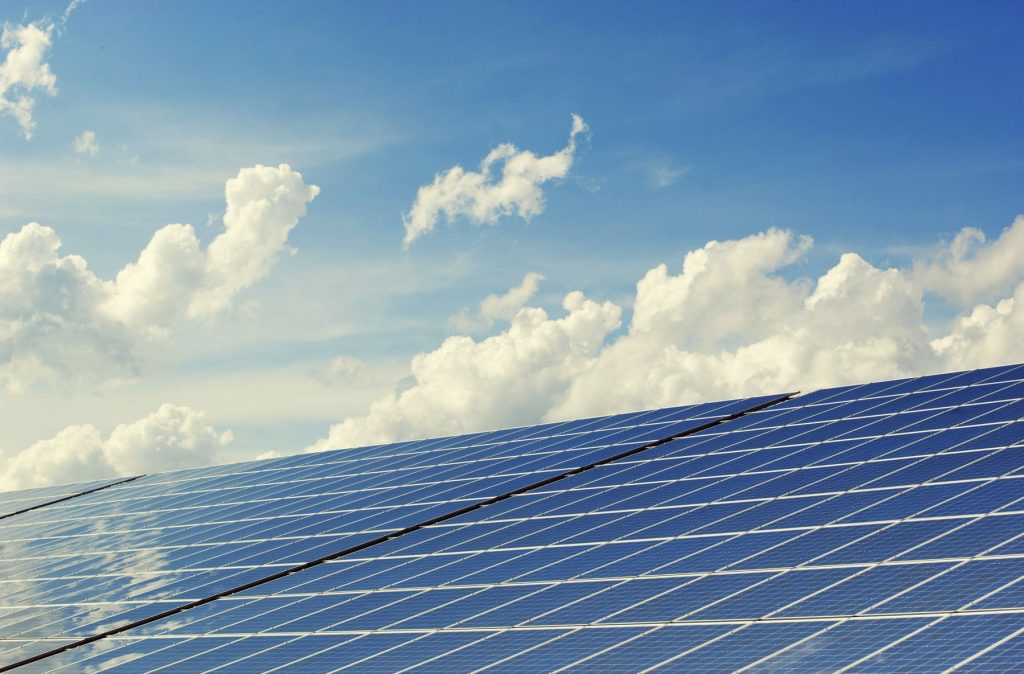
Snow is a separate issue from dirt. A wash in the growing season does not change how snow sits on the array in January. Do not scrape ice off the glass. The discussion here is the film that builds in warm months and stays until someone removes it.
What to tell the crew
Say how the roof is reached from your property, and whether there is a section of array over a sunroom, a garage, or a steep slope. Mention any panel you already know is cracked. A wash will not repair a damaged panel, and the crew should not be the first to find a crack with a brush on it. If the system was recently installed, a light film from construction dust is common and is a fair reason for a first wash once the site is finished.
Keep the garden hose as a spot rinse for loose dust, not as the annual wash. Hose water is tap water. On a hot panel it dries into the same mineral dots you are trying to avoid, and it will not lift droppings that have baked on. Save the thorough wash for pure water and a brush that reaches the whole array, including the lower edge where rinse water slows down and dirt collects.
After the wash, the glass should dry clear. You should not see soap trails or mineral dots. Output should be judged on a sunny day against a similar sunny day from before the film built up, not against the best day the system has ever had. The point of the visit is simple: put the light back on the cells, and do not leave anything on the glass that reduces the next month of sun.